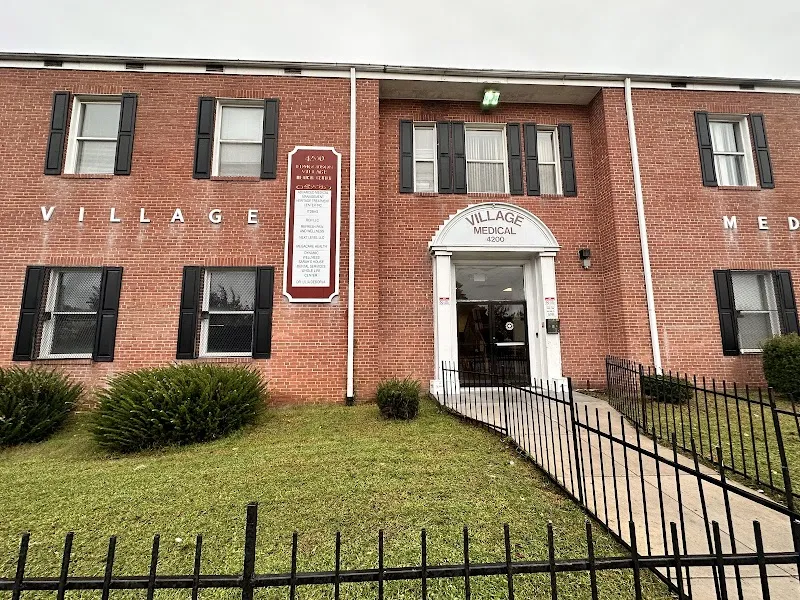
Understanding Relapse Prevention in Baltimore
Relapse can be a challenging part of the recovery journey, but with awareness, preparation, and support, individuals can navigate these obstacles effectively. This guide aims to provide valuable insights into relapse prevention in Baltimore, helping you or your loved one stay on the path to recovery.
Identifying Triggers
Triggers are situations, emotions, or environments that can lead to cravings and possible relapse. Recognizing these triggers is the first step in creating a successful relapse prevention plan. Common triggers include:
- 情绪触发因素: Stress, anxiety, depression, and anger can all increase the likelihood of relapse.
- 环境触发因素: Places, people, or situations associated with past substance use can provoke cravings.
- 社交触发因素: Social gatherings where substance use is prevalent can create pressure to use again.
The HALT Technique
The HALT technique is a simple and effective tool for managing cravings and preventing relapse. It stands for Hungry, Angry, Lonely, and Tired. When you feel the urge to relapse, ask yourself:
- 饥饿的: Are you physically hungry? Try to eat a healthy snack.
- 生气的: Are you feeling anger or frustration? Engage in calming activities or talk it out with someone you trust.
- 孤独: Do you feel isolated? Reach out to a friend, family member, or member of your support network.
- 疲劳的: Are you fatigued? Rest and recharge to regain your energy.
Building a Support Network
A strong support network is essential for recovery. Surround yourself with individuals who understand your journey and can offer encouragement. Consider the following:
- 互助小组: Local groups such as 匿名戒酒会 can help connect you with others facing similar challenges.
- 治疗师: Professional support can aid in managing emotions and developing effective coping strategies. Seek out therapists who specialize in addiction recovery. Visit our page on 治疗师 了解更多信息。
- Family and Friends: Engage your loved ones in your recovery process. Their support can be invaluable.
Local Resources for Recovery
Baltimore offers numerous resources for those in recovery. Here are some options to consider:
- 戒毒中心: Medical detox can help manage withdrawal symptoms safely.
- Treatment Facilities: Explore various programs tailored to your needs.
- 戒酒康复之家: These provide a supportive environment during your transition back to independent living.
Creating a Prevention Plan
Having a personalized relapse prevention plan can significantly increase your chances of maintaining sobriety. Here are some elements to include:
- Identify Triggers: Write down your personal triggers and how you plan to cope with them.
- Develop Coping Strategies: List healthy activities that help you manage cravings, such as exercise, meditation, or hobbies.
- Emergency Contacts: Keep a list of people to call when you feel vulnerable. This could include friends, family, or support group members.
- Regular Check-Ins: Schedule regular meetings with a therapist or support group to stay accountable and discuss your progress.
Recognizing Warning Signs
Being aware of warning signs can help you intervene before a relapse occurs. Watch for:
- Increased feelings of stress or anxiety.
- Isolation from friends and family.
- Neglecting self-care routines.
- Returning to old habits or thinking patterns.
What to Do After a Relapse
If relapse does occur, remember that it’s a part of the recovery journey and not a failure. Here’s how to respond:
- Don’t Isolate: Reach out to your support network immediately.
- 反映: Consider what led to the relapse and identify any triggers that may need to be addressed.
- Reassess Your Plan: Review your prevention plan and make necessary adjustments.
- 寻求专业帮助: Contact a therapist or treatment facility to discuss your experience and get back on track.
Recovery is a journey filled with ups and downs, but with the right tools and support, you can continue to move forward. Embrace the hope that comes with each new day and remember that you are not alone in this journey.
本文仅供参考,不构成医疗建议。
巴尔的摩更多康复资源
Sober Network is a directory, not an intake form. Explore local facilities and contact providers directly.