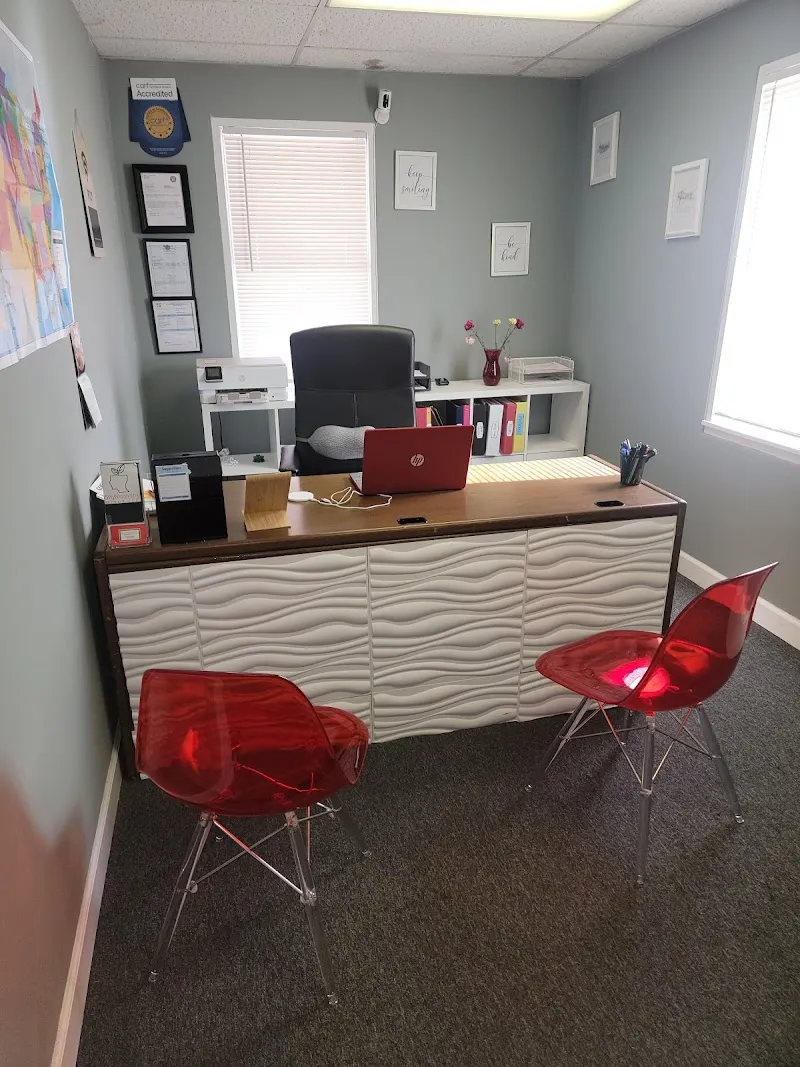
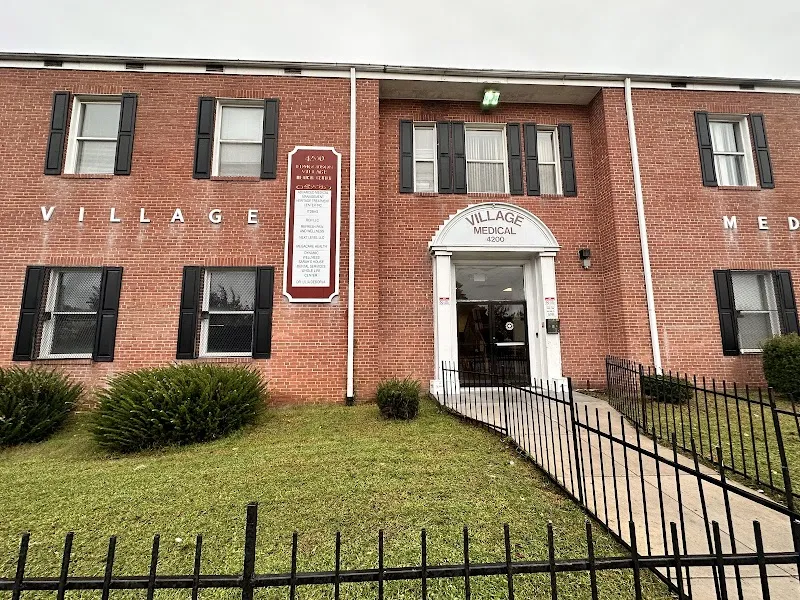
Dual diagnosis, also known as co-occurring disorders, refers to the simultaneous presence of a mental health disorder and a substance use disorder. This complex relationship between mental health and addiction can complicate recovery efforts, making it essential for individuals to seek specialized treatment that addresses both conditions. In Baltimore, MD, a variety of treatment options are available for those struggling with dual diagnosis, providing hope and healing for many.
이중 진단 이해하기
Individuals with dual diagnosis often face unique challenges, as their mental health and substance use issues can exacerbate one another. For instance, someone battling depression may turn to alcohol or drugs to cope, which could lead to further deterioration of their mental health and increased substance dependence. It’s crucial to recognize that both conditions must be treated simultaneously for effective recovery.
흔히 동반 발생하는 질환
Several mental health disorders frequently co-occur with substance use disorders. Here are some of the most common:
- 우울증: Often manifests as persistent sadness, loss of interest in activities, and changes in appetite or sleep patterns. Individuals may self-medicate with drugs or alcohol to alleviate their symptoms.
- 불안 장애: Conditions such as generalized anxiety disorder or panic disorder can lead individuals to use substances as a coping mechanism, creating a cycle of reliance and worsening anxiety.
- 외상 후 스트레스 장애(PTSD): Many individuals with PTSD turn to substances to numb their emotional pain or to escape intrusive thoughts and flashbacks.
- 양극성 장애: Those with bipolar disorder may experience extreme mood swings, leading some to use substances in an attempt to stabilize their moods, which can lead to further complications.
통합 치료가 중요한 이유
Integrated treatment is essential for effectively addressing dual diagnosis. Traditional approaches often treat mental health and substance use disorders separately, which can lead to fragmented care and inadequate support for individuals. Integrated treatment, on the other hand, provides a comprehensive approach that addresses both issues concurrently. This method offers several benefits:
- Coordinated Care: Healthcare professionals work together to develop a unified treatment plan that addresses both mental health and substance use needs.
- 개선된 결과: Studies show that integrated treatment leads to better recovery rates compared to those receiving separate treatments.
- 전체론적 접근법: Patients receive support for all aspects of their well-being, including emotional, psychological, and social factors.
Finding Dual Diagnosis Programs in Baltimore
For individuals seeking help for dual diagnosis in Baltimore, there are several resources available. Here are some steps to help you find the right program:
- 현지 시설을 조사하십시오: Look for treatment centers in Baltimore that specialize in dual diagnosis. Many facilities offer comprehensive programs tailored to meet the needs of individuals with co-occurring disorders.
- 전문가와 상담하세요: Speak with healthcare providers, therapists, or counselors who can provide recommendations for reputable dual diagnosis programs.
- Utilize Online Resources: Websites like SAMHSA (Substance Abuse and Mental Health Services Administration) offer a treatment locator tool that can help you find local programs based on your specific needs.
- 인증 여부를 확인하세요: Ensure that the facilities you consider are accredited and have trained staff experienced in handling dual diagnosis cases.
도움을 받는 방법
If you or a loved one is struggling with dual diagnosis, seeking help is the first step towards recovery. Here are some practical steps to take:
- 도움이 필요하시면 연락주세요: Talk to trusted friends or family members about your struggles. Support from loved ones can be invaluable during this time.
- Contact a Treatment Center: Call or visit a dual diagnosis treatment center in Baltimore to learn more about their programs and services. Many centers offer free consultations to assess your needs.
- Consider Therapy Options: Individual therapy, group therapy, and support groups can provide additional support and coping strategies throughout your recovery journey.
- Stay Committed: Recovery from dual diagnosis is a process that takes time and dedication. Stay committed to your treatment plan and be open to adjusting it as needed.
In conclusion, dual diagnosis is a challenging but treatable condition. By understanding the complexities of co-occurring disorders and seeking integrated treatment options in Baltimore, individuals can embark on a path toward healing and recovery. Remember, you are not alone, and help is available.
Sober Network is a directory, not an intake form. Explore local facilities and contact providers directly.