Baltimore’s New Hope: A $195K State Grant for Addiction Recovery
In a significant step toward tackling addiction in our community, Baltimore recently celebrated the announcement of a $195,000 state grant aimed at launching a new peer service program for addiction recovery in Carroll County. This initiative not only signifies an increased focus on recovery solutions but also reflects the collective commitment of Baltimore residents to support one another in overcoming addiction. With the need for comprehensive recovery resources more critical than ever, particularly in neighborhoods like Hampden and Preakness, this grant represents a beacon of hope for many.
The Port of Baltimore, with its bustling activity and growth, has seen a remarkable recovery from past incidents, displaying resilience much like those who are navigating their own paths to sobriety. The increased cargo and economic growth post-Bridge Incident highlight the city’s ability to adapt and thrive. Just as the port evolves, so too does our recovery community—growing stronger and more resourceful. The stories of triumph, like that of NFL star Maxx Crosby celebrating his major sobriety milestone, resonate deeply within our local context. They remind us that recovery is not just possible but can lead to extraordinary lives.
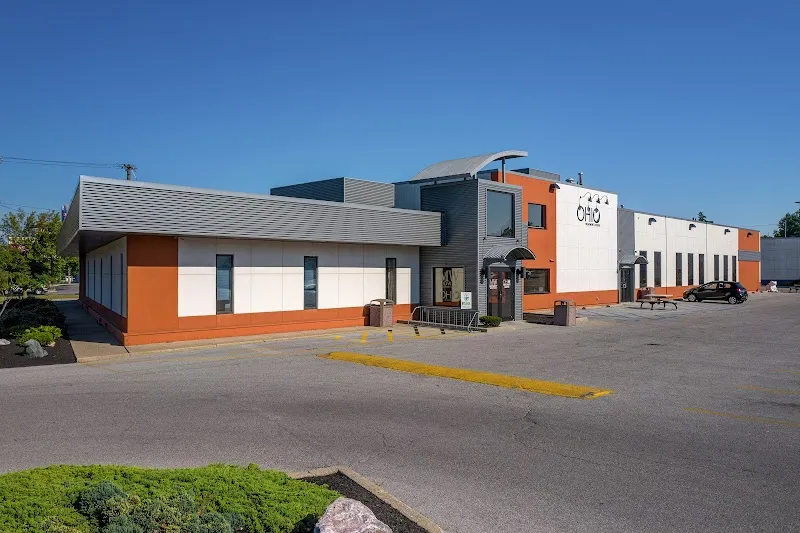
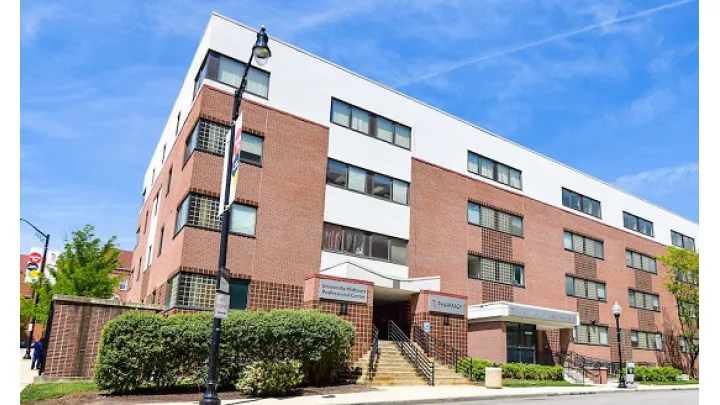
As we look at the recovery landscape in Baltimore, it's heartening to see a variety of resources available for those seeking support. The city's treatment centers, such as the Baltimore Substance Abuse Systems, offer tailored programs designed to meet individual needs. Whether you’re in the heart of downtown or in the quaint neighborhoods of Fells Point or Mount Vernon, there are dedicated professionals ready to help you navigate your recovery journey.
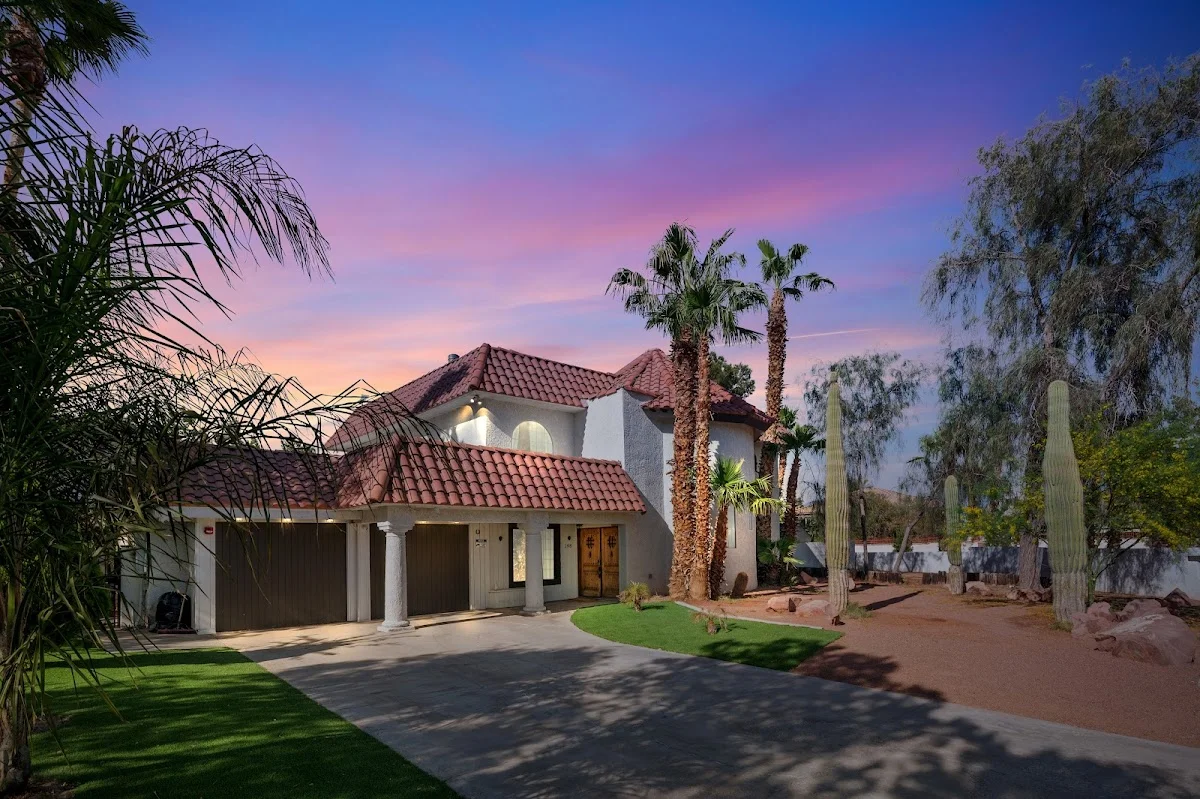
For those who prefer a more communal approach, Baltimore boasts numerous sober living homes that provide safe and supportive environments. These homes, often nestled in serene neighborhoods like Roland Park, focus on fostering community and accountability among residents. They serve as vital stepping stones for individuals transitioning back into everyday life while maintaining their sobriety. The camaraderie found in these spaces is invaluable, echoing the spirit of solidarity that the recent grant embodies.
Moreover, Alcoholics Anonymous (AA) meetings are widely available across the city, offering a welcoming space for individuals to share their experiences and support one another. Whether you’re attending a meeting at a local church in Federal Hill or gathering at a community center in Canton, the sense of belonging and understanding is palpable. The diverse range of meetings ensures that everyone can find a group that resonates with them, making it easier to connect and share your story.
As we reflect on these resources, remember that reaching out for help is a sign of strength, not weakness. The journey to recovery may seem daunting, but you don’t have to navigate it alone. Baltimore is home to a robust network of support, and every step taken towards recovery is a step towards a better future. By connecting with local resources, you can find the help you need—whether that’s through a treatment center, a sober living home, or an AA meeting.
In a city that continues to grow and adapt, the commitment to recovery is unwavering. With new initiatives like the Carroll addiction recovery peer service program, we are reminded that transformation is possible. If you or someone you know is seeking support, I encourage you to explore the options available in Baltimore. Together, we can build a community that uplifts and empowers those on their journey to sobriety.
Find recovery resources in Baltimore at baltimoresober.com.
Plus de ressources pour la guérison à Baltimore
- Sober Living Cost in Baltimore, MD: Complete 2026 Guide
- À quoi s'attendre lors d'une cure de désintoxication médicale à Baltimore
- Treatment Centers in Baltimore: How to Choose the Right Program
- Consultez les résidences pour personnes en sevrage à Baltimore
- Trouver des centres de désintoxication à Baltimore
- Obtenez de l'aide gratuite dès maintenant
Sober Network is a directory, not an intake form. Explore local facilities and contact providers directly.