Finding Free or Low-Cost Addiction Recovery Resources in Baltimore
Overcoming addiction can be a challenging journey, but help is available. For those seeking recovery in Baltimore, numerous free or low-cost resources can provide support, guidance, and community. This article outlines various options, including Alcoholics Anonymous (AA) and Narcotics Anonymous (NA) meetings, community health centers, state-funded programs, and more.
Free AA & NA Meetings
Alcoholics Anonymous (AA) and Narcotics Anonymous (NA) offer peer support through regular meetings where individuals can share their experiences and find encouragement in sobriety. These programs are based on the principles of mutual aid and anonymity, making them safe spaces for recovery.
In Baltimore, you can find numerous AA and NA meetings throughout the week, catering to various schedules and needs:
- AA Meetings: These meetings provide a supportive environment for individuals struggling with alcohol addiction.
- NA Meetings: Similar to AA, but focused on those dealing with drug addiction.
To locate meeting times and places, you can visit local AA or NA websites or community boards. Remember, you're not alone in this journey, and these meetings are a great way to connect with others who understand your experiences.
Community Health Centers
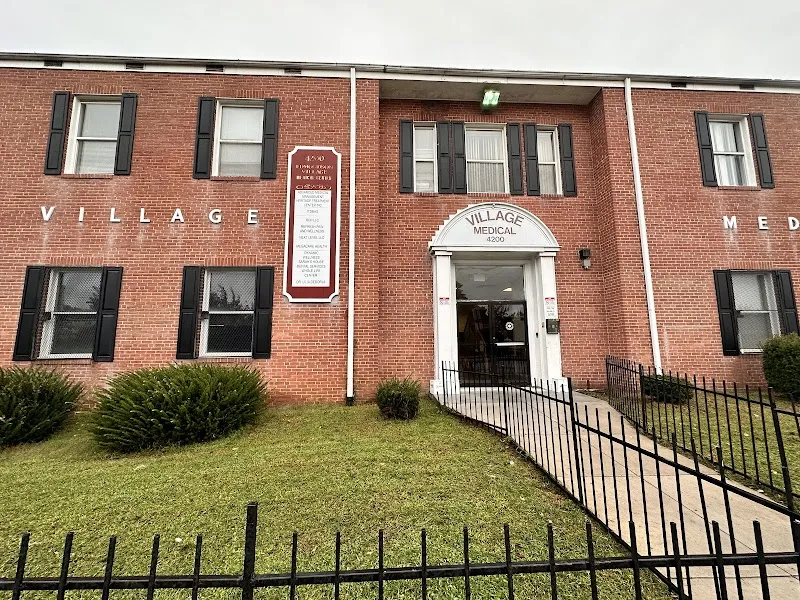
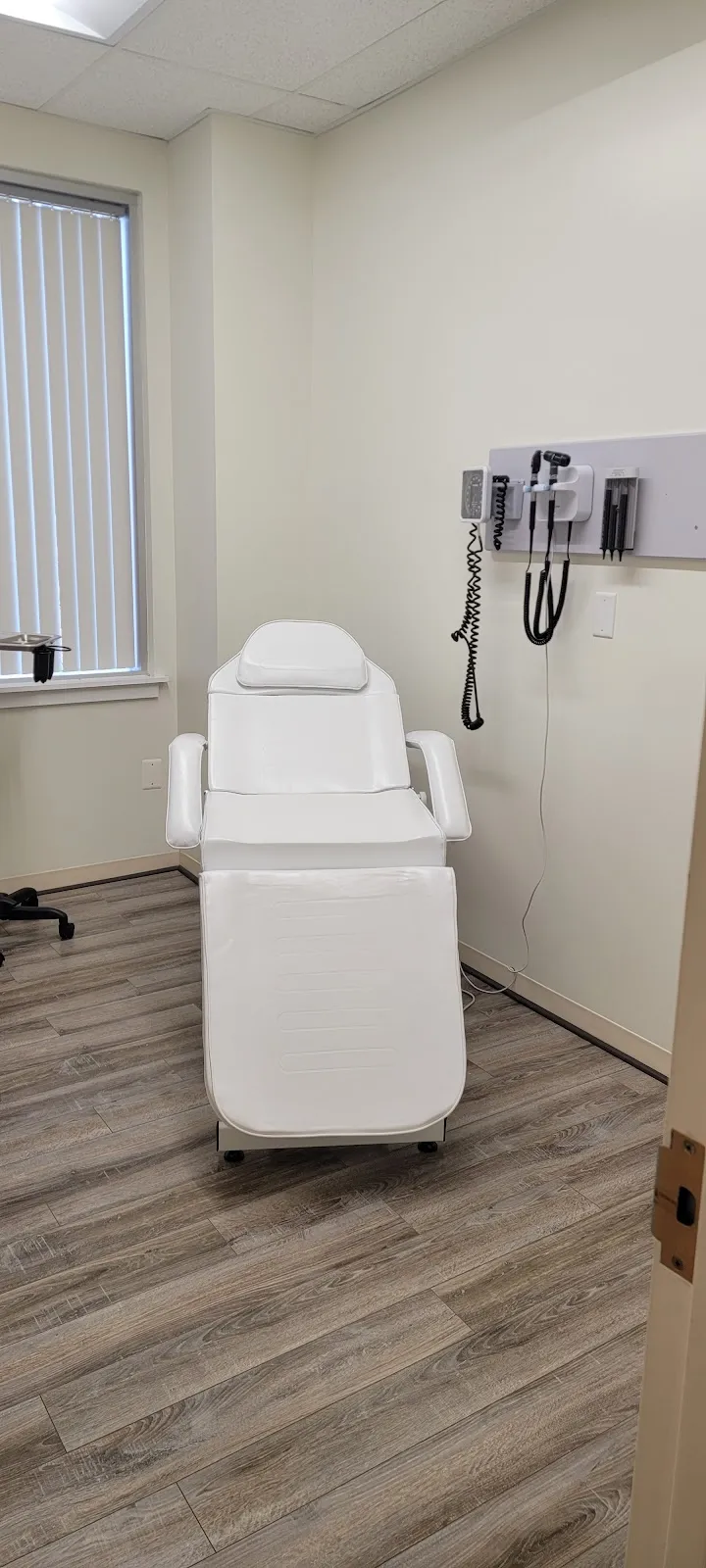
Baltimore is home to several community health centers that provide low-cost or sliding-scale services for individuals seeking addiction treatment. These centers often offer comprehensive services, including mental health support, substance use counseling, and medical care.
- Look for local clinics that provide integrated care, allowing you to address both physical and mental health needs.
- Many community health centers accept Medicaid and offer services on a sliding scale based on your income.
These centers are a crucial resource for those who may face financial barriers to treatment, ensuring that everyone has access to the help they need.
State-Funded Programs
The state of Maryland offers various programs aimed at helping individuals struggling with addiction. These state-funded initiatives often provide free or low-cost services, including detoxification, rehabilitation, and ongoing recovery support.
Eligibility for these programs may vary based on income and other factors. To explore available options, consider visiting the Maryland Department of Health's website, where you can find a list of resources and application processes. Additionally, local addiction treatment centers may also have information about state-funded programs in your area.
SAMHSA Helpline
The Substance Abuse and Mental Health Services Administration (SAMHSA) offers a national helpline that connects individuals with local treatment facilities and support services.
By calling 1-800-662-HELP (4357), you can access:
- 24/7 confidential support
- Information about treatment options
- Referrals to local resources, including sliding-scale therapists and support groups
Using the SAMHSA helpline is an excellent step for those unsure where to begin or seeking immediate support. The compassionate staff can guide you toward the resources that best fit your needs.
Free Support Groups
In addition to AA and NA, Baltimore offers various free support groups tailored to specific demographics or recovery needs. These groups can provide additional resources and community support throughout your recovery journey.
- SMART Recovery: Focused on self-management and recovery training.
- Women for Sobriety: A support group designed specifically for women in recovery.
- LifeRing: Offers peer support through a secular recovery approach.
These groups create a sense of belonging and understanding, which can be vital for those in recovery. Reach out to local recovery organizations to find group meetings that resonate with you.
Sliding-Scale Therapists
Therapy can play a significant role in recovery, helping individuals address underlying issues related to addiction. Many therapists in Baltimore offer sliding-scale fees based on income, making mental health support more accessible.
When searching for a therapist, consider:
- Looking for licensed professionals specializing in addiction treatment.
- Checking local directories or community health centers for therapists who provide sliding-scale options.
- Inquiring about teletherapy options, which can be more convenient and accessible.
Utilizing therapy as part of your recovery process can provide you with valuable tools to navigate challenges and maintain your sobriety.
Conclusion
Baltimore offers a wealth of free or low-cost addiction recovery resources that can support you on your path to sobriety. Whether through community meetings, health centers, or helplines, help is available, and you don’t have to face this journey alone. Embrace the hope and support around you, and take the first step toward a healthier, fulfilling life.
This article is for informational purposes only and does not constitute medical advice.
```More Recovery Resources in Baltimore
Sober Network is a directory, not an intake form. Explore local facilities and contact providers directly.