Understanding Medication-Assisted Treatment (MAT) in Baltimore
Medication-Assisted Treatment (MAT) is a comprehensive approach to treating substance use disorders, specifically opioid addiction. It combines the use of medications with counseling and behavioral therapies to enhance the chances of recovery. In Baltimore, several MAT options are available, including Suboxone, Vivitrol, and methadone. This guide will explore how MAT works, who it helps, how to find providers in Baltimore, and address common misconceptions.
How MAT Works
MAT works by using medications to help manage withdrawal symptoms and cravings associated with opioid use. The goal is to stabilize patients, allowing them to engage in counseling and support services that are crucial for long-term recovery.
- Suboxone: A combination of buprenorphine and naloxone, Suboxone helps reduce cravings and withdrawal symptoms without producing the euphoric high that can lead to misuse.
- Vivitrol: An extended-release formulation of naltrexone that blocks the effects of opioids, making it less likely for someone to misuse drugs while taking it.
- Methadone: A long-acting opioid agonist that helps reduce cravings and withdrawal symptoms. It is administered under strict medical supervision.
Who Benefits from MAT?
MAT is beneficial for individuals struggling with opioid use disorder, especially those who have not found success with traditional treatments alone. It is suitable for:
- Individuals looking to reduce or quit opioid use.
- Those experiencing chronic pain who may also have a history of substance use.
- People who have previously undergone detox but need additional support to maintain recovery.
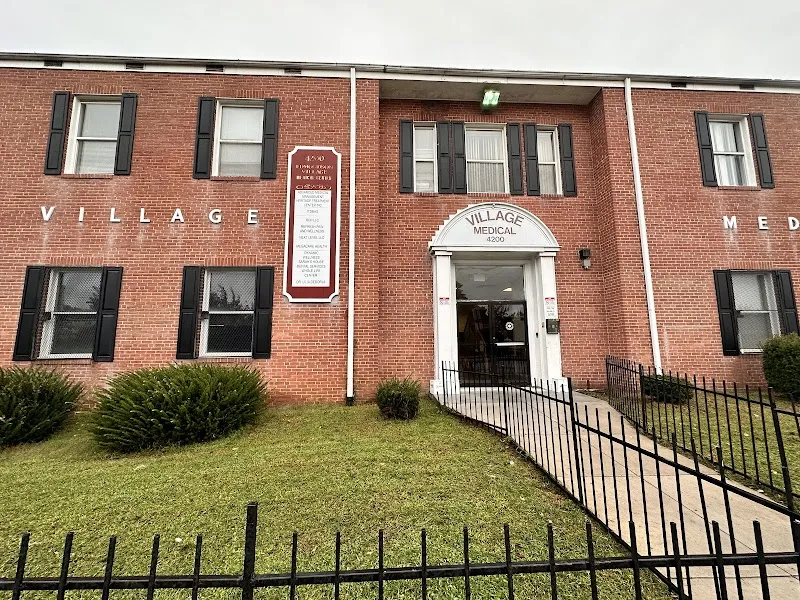
Finding MAT Providers in Baltimore
To find MAT providers in Baltimore, you can:
- Contact local addiction treatment centers or hospitals.
- Visit the Substance Abuse and Mental Health Services Administration (SAMHSA) website for a treatment locator.
- Ask your primary care physician for referrals.
Additionally, you can explore local recovery resources such as sober living homes and treatment programs to enhance your recovery journey.
Common Misconceptions About MAT
There are several misconceptions surrounding MAT that can deter individuals from seeking help:
- MAT is just replacing one addiction with another: While MAT involves using medications, these treatments are carefully monitored and aim to restore patients to a functional state without the euphoric effects of illicit drugs.
- MAT is not effective: Studies show that MAT significantly improves retention in treatment and reduces illicit opioid use.
- MAT is only for severe addiction: MAT can benefit individuals at various stages of addiction, from moderate to severe use.
Insurance Coverage for MAT
Many insurance plans cover MAT, including Medicaid and Medicare. However, coverage may vary based on the provider and specific medication. It is advisable to contact your insurance provider to understand your benefits and any potential out-of-pocket costs. Additionally, many treatment facilities offer sliding scale fees based on income, making MAT accessible to a broader range of individuals.
If you or someone you know is struggling with addiction, reaching out for help is a crucial first step. Resources like get help or attending Alcoholics Anonymous meetings can provide support and guidance on the road to recovery.
This article is for informational purposes only and does not constitute medical advice.
More Recovery Resources in Baltimore
Sober Network is a directory, not an intake form. Explore local facilities and contact providers directly.